
How to Reduce PMS Symptoms Naturally
By Flexies Team
If your PMS symptoms regularly derail your week, you're not alone. Roughly 3 in 4 women experience some form of PMS, and for many, it goes well beyond a bit of bloating.
The good news is that there are practical, natural strategies that can genuinely help. Not miracle cures, just solid approaches that support your body through each cycle.
Understanding what drives PMS
PMS symptoms are largely driven by hormonal fluctuations in the second half of your cycle (the luteal phase). Oestrogen and progesterone levels shift, and your body responds with everything from mood changes to cramps to cravings.
The severity varies hugely between people, and it can also vary cycle to cycle. Stress, sleep, diet, and exercise all play a role in how intense your symptoms feel.
Evening primrose oil and starflower oil
These are two of the most popular natural approaches for PMS relief, and for good reason. Both contain gamma-linolenic acid (GLA), an omega-6 fatty acid that supports your body's inflammatory response.
GLA helps your body produce prostaglandins that may ease breast tenderness, cramping, and mood swings. Our Cycle Calm PMS Gummies contain both evening primrose and starflower oil to deliver GLA alongside other cycle-support ingredients.
Magnesium: the unsung hero
Magnesium is involved in over 300 processes in your body, and it's especially helpful during PMS. It can support muscle relaxation (hello cramp relief), mood regulation, and even sleep quality.
Many women are low in magnesium without realising it. Adding it through diet (dark leafy greens, nuts, dark chocolate) or supplementation can make a noticeable difference.
Movement, even when you don't feel like it
Exercise is genuinely one of the most effective natural PMS remedies. It releases endorphins, supports circulation, and can reduce bloating. You don't need to smash a HIIT class. A 20-minute walk, some yoga, or gentle stretching can be enough.
Listen to your body. Some days you'll feel like moving more, others less. The goal is gentle, consistent movement rather than pushing through when your body is telling you to rest.
Building a monthly support routine
The most effective approach is combining several strategies rather than relying on one thing. Good sleep, daily movement, stress management, and targeted supplementation all work together.
Start tracking your cycle and symptoms if you don't already. Knowing when your luteal phase starts means you can proactively support yourself before symptoms hit, rather than reacting after the fact.
pairs well with
Frequently Asked Questions
When should I start taking PMS supplements in my cycle?
For best results, take them daily rather than only when symptoms appear. Consistent daily use supports your body throughout your entire cycle.
Can diet affect PMS symptoms?
Yes. Reducing processed foods, caffeine, and excess salt can help. Increasing magnesium-rich foods, omega-3 fatty acids, and fibre may also reduce symptom severity.
Are natural PMS remedies effective for severe symptoms?
Natural approaches work well for mild to moderate PMS.
If your symptoms are severe or significantly impact your daily life, it's worth speaking with your GP to explore additional options.
Related Reading
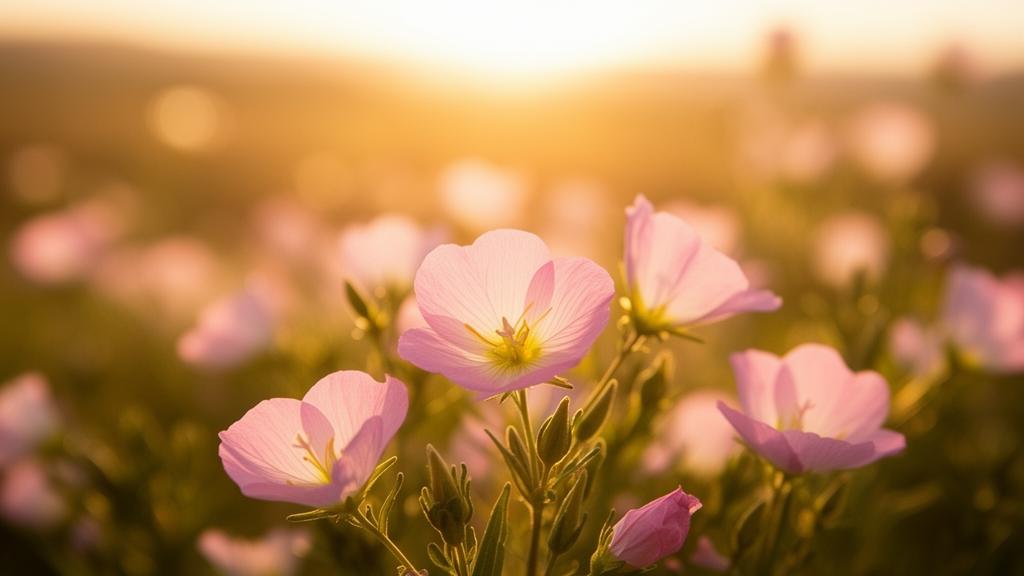
Evening Primrose Oil Benefits: What Women Should Know
Evening primrose oil has been used for women's health for decades. But what does it actually do, and is it worth adding to your routine?
Sea Moss Benefits for Women: What's the Hype About?
Sea moss went from Caribbean kitchen staple to wellness superstar. But does it live up to the hype? Here's what women should know.